
K-TREND · May 2026
Daiso Korea:
The Most “Dangerous” Store in Seoul
How a ₩1,000 vegetable peeler became a symbol of modern Korean culture.
Nationwide
in 2023
in Stock
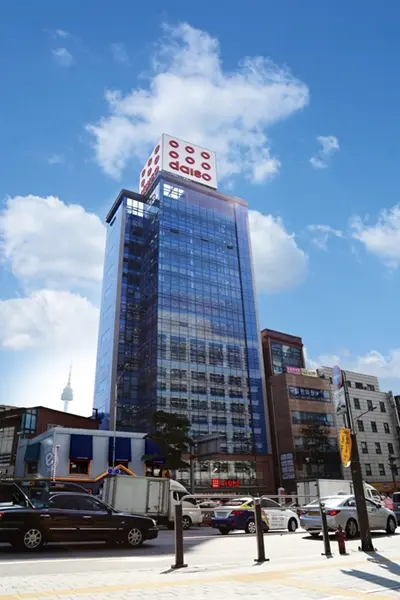
In Korea, Daiso Korea isn’t just a discount shop. It’s a cultural institution, a retail black hole, and — quietly — one of the most fascinating business stories of the past three decades.
It started with a crisis
The story of Daiso Korea begins in 1997, when founder Park Jeong-bu opened a small household goods store in Seoul’s Cheonho-dong neighborhood under the unglamorous name “Asco Even Plaza.” The concept was simple: flat-rate pricing, quality goods, no frills. It was the first store of its kind in Korea.
The timing, almost by accident, was perfect. The Asian financial crisis hit Korea hard that same year, tightening household budgets overnight. Suddenly, a store where everything cost the same low price wasn’t just convenient — it was essential. Word spread fast.
By 2001, Japan’s Daiso Sangyo made an equity investment and a new name was born: Asung Daiso. Koreans quietly reinterpreted it in their own language — 다 있어 (da isseo) — “we have everything.” The brand grew from under 100 stores in the early 2000s to over 500 by 2005, and crossed 1,000 by 2015. Revenue went from 20 billion won in 2001 to 1 trillion won by 2015, and hit 3 trillion won in 2023.
In December 2023, Asung HMP reacquired the entire Japanese-held stake — making Daiso 100% Korean-owned for the first time in over two decades. The name stayed. The identity finally matched.
The “AliExpress killer” effect
In the age of global e-commerce, platforms like AliExpress built their reputation on rock-bottom prices — with the catch of a 10-day shipping wait and quality that varies wildly. In Korea, Daiso Korea has quietly made that trade-off obsolete.
Why wait for a mystery package when you can walk two blocks and find the same item — often better — for the same ₩1,000, today? For locals and expats alike, Daiso has become the “online price with offline speed” store. It’s where verification anxiety goes to die.
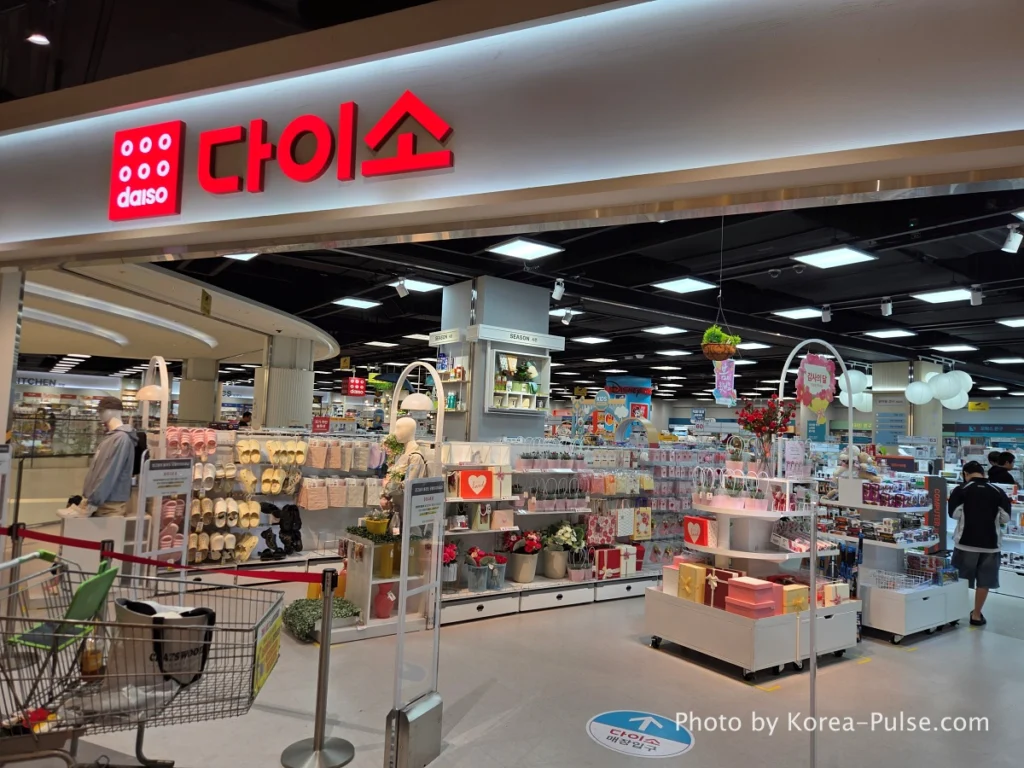
With over 30,000 products across categories from kitchen tools to travel accessories to stationery, a basket filled to the brim at Daiso often totals less than ₩10,000 — under $8. That’s the math that makes first-time visitors go quiet for a moment before picking up a second basket.
Fully Korean — and now, fully trendy
Since becoming fully Korean-owned, Daiso Korea has moved aggressively toward becoming a lifestyle brand, not just a utility store. The contrast with its Japanese counterpart is striking: Japan’s Daiso remains focused on functional minimalism, while Korea’s Daiso has leaned hard into K-culture — seasonal drops, character collaborations, and beauty partnerships that would feel at home in a concept store.
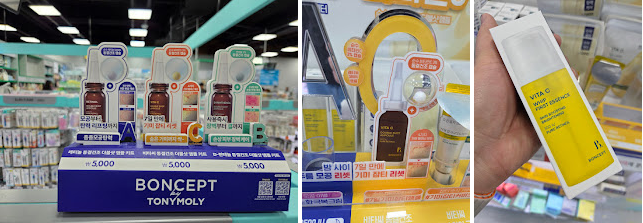
The K-beauty angle deserves its own paragraph. Since entering the cosmetics market in 2021, Daiso has partnered with skincare giants like Amorepacific and LG H&H to launch Daiso-exclusive product lines. Consider what that means: Amorepacific — a brand sold in Sephora globally — chose Daiso as a retail channel. That’s not a bargain-bin move. That’s a brand decision about where Korean consumers actually shop.
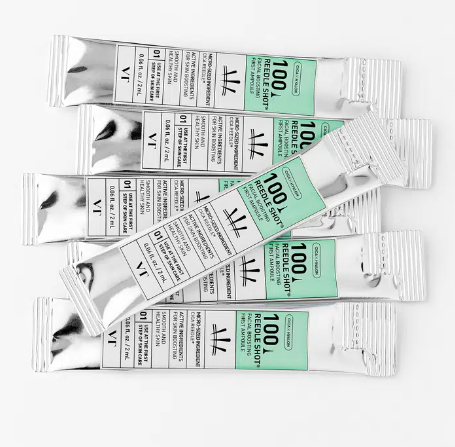
The VT Reedle Shot — a viral, high-end ampoule serum — launched a ₩3,000 Daiso version that sold out nationwide. It proved something important: in Korea, “cheap” no longer signals low quality. It signals smart sourcing.
Daiso vs. the world: how it stacks up
Frequent travelers across Asia will recognize the format — budget retail done right — but Daiso Korea has carved out a distinct identity in a crowded field.
| Store | Origin | Price Range | Strength |
|---|---|---|---|
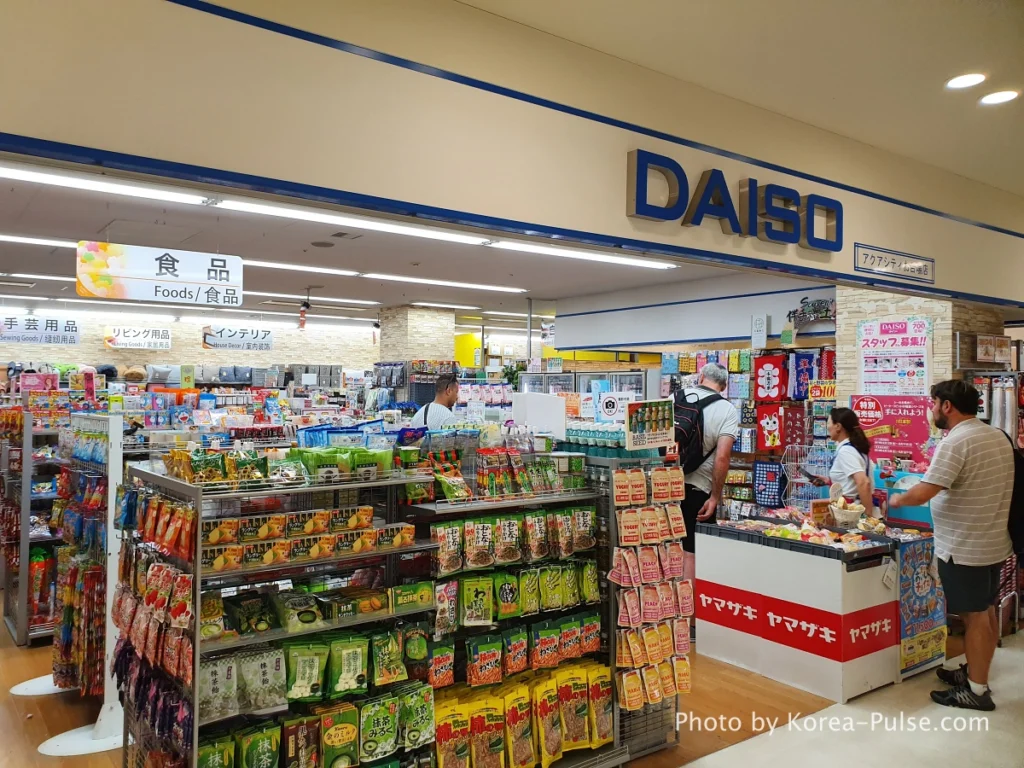
| Daiso Korea | Korea (100%) | ₩1,000–₩5,000 | Trend + utility + K-beauty |
| Daiso Japan | Japan | ¥100–¥300 | Functional minimalism |
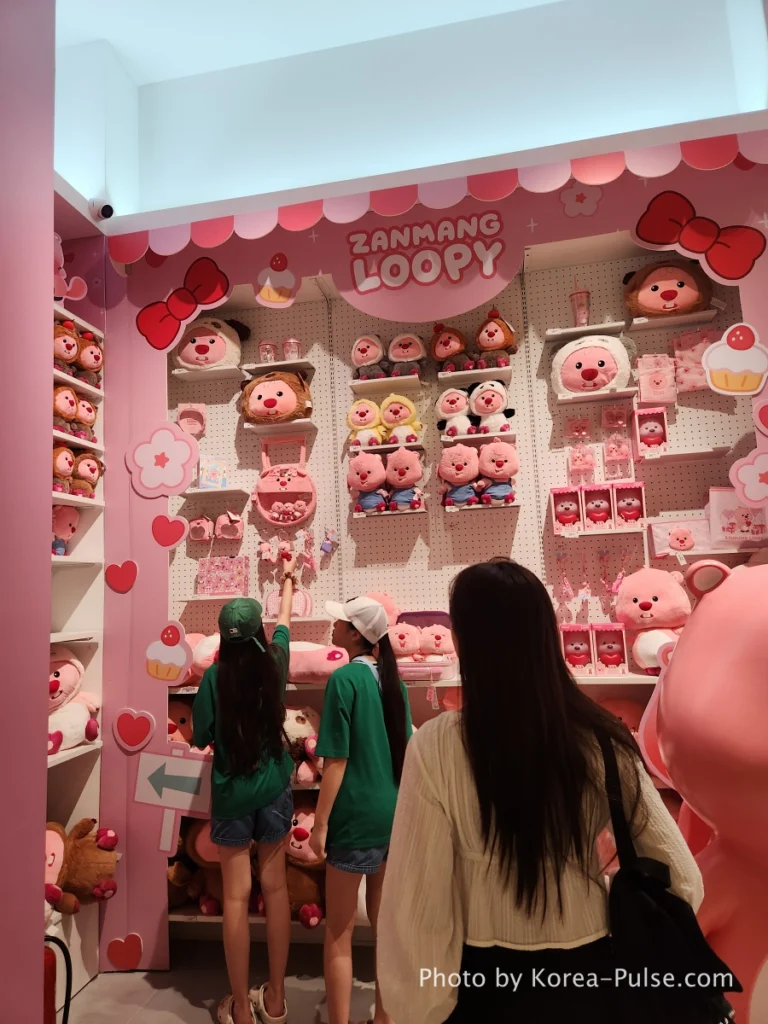
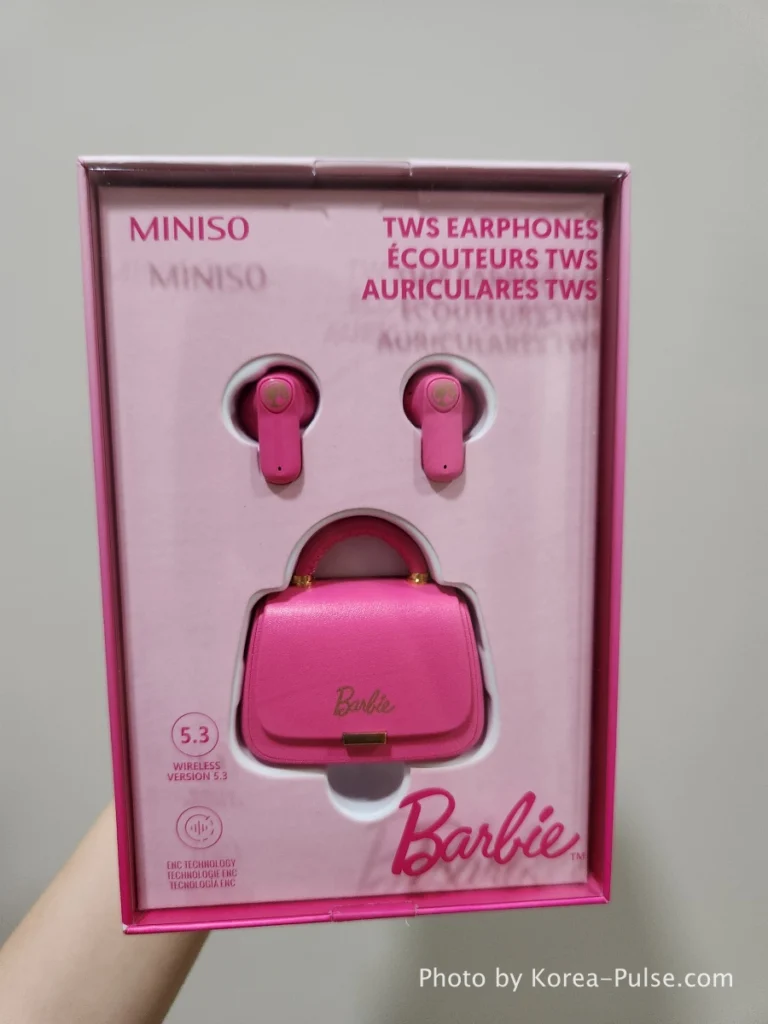
| Miniso | China | ₩5,000–₩20,000 | IP collabs, aesthetics |
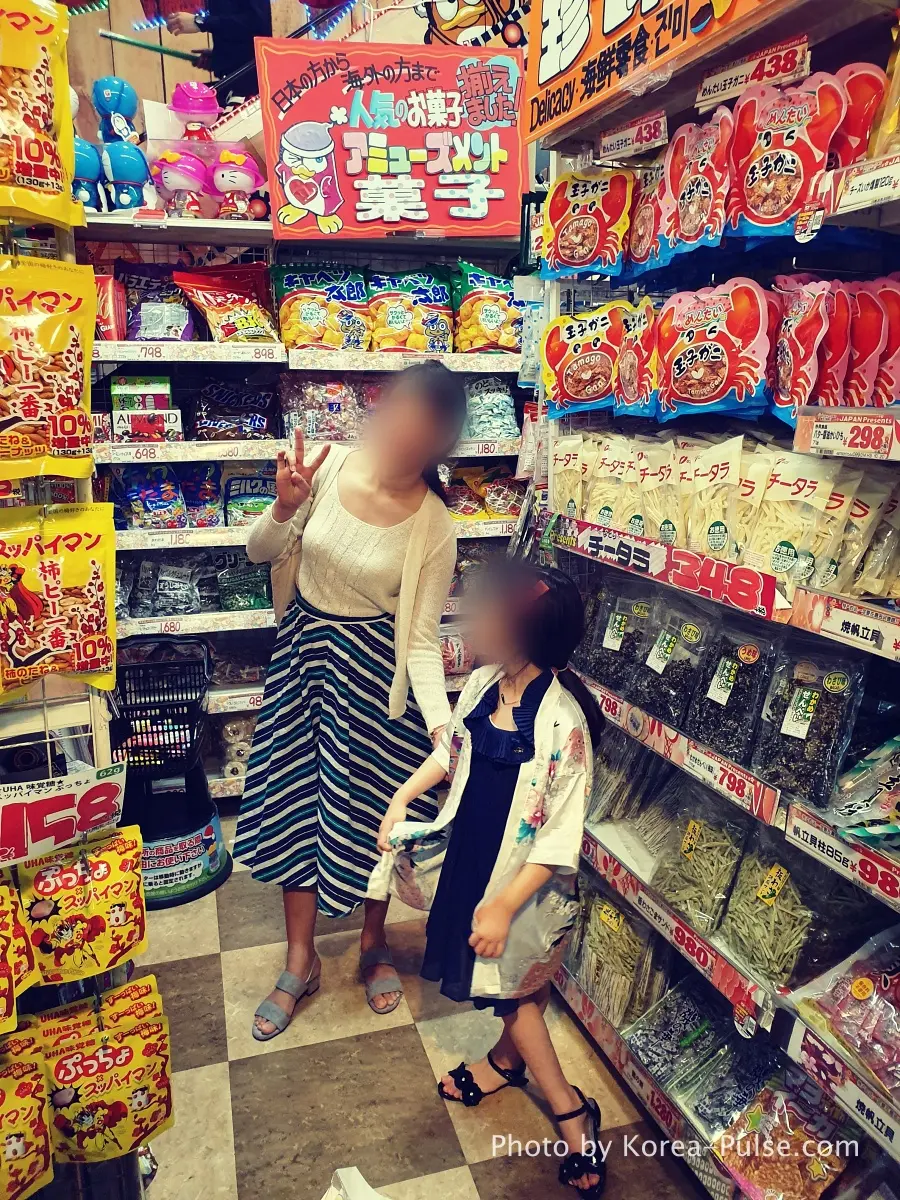
| Don Quijote | Japan | Varied | Treasure-hunt chaos |
Japan’s original Daiso is a master of functional minimalism: clean, efficient, no surprises. Don Quijote built its reputation on deliberate chaos — packed aisles, treasure-hunt energy, neon signage everywhere. Daiso Korea has borrowed the treasure-hunt feeling but kept the prices lower and the stores dramatically cleaner. Miniso wins on aesthetics and IP-driven collections, but Daiso beats it on utility — these products don’t just look good on Instagram; they work in your kitchen, your bathroom, and your camping kit.
The positioning Daiso has landed on is its own: trend-aware, quality-conscious, and resolutely affordable. It’s a combination that’s proved hard to replicate.
Why foreigners can’t stop talking about it
Foreign spending at Daiso Korea grew 49% in 2024 compared to the year before. In high-traffic tourist stores like the Myeong-dong flagship, foreigners now account for nearly half of total sales. This didn’t happen by accident.
As K-drama and K-pop built global audiences, international travelers started arriving in Seoul with very specific wish lists — and Daiso kept appearing on them. Partly it’s the K-beauty angle. Partly it’s the character merchandise (Sanrio, Disney, Snoopy, with new drops every season). Partly it’s just the experience of discovering that a ₩2,000 item is packaged better than something that costs $20 back home.
Practical tips for your visit
In a city where everything seems to cost more than it should, Daiso Korea is a small, daily reminder that good design and smart living don’t have to come with a premium. It’s not just a store. It’s a point of view.
Coming up: Daiso tech, put to the test
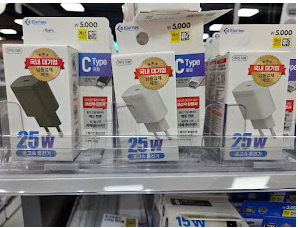
Daiso isn’t just about ₩1,000 gems — they have high-ticket electronics too. In my next post, I’m field-testing their 25W fast-charging accessories and data-capable cables (just ₩5,000). Do these budget finds actually deliver, or are they a potential hazard? I’m going to find out so you don’t have to.
Daiso Korea is no longer just cheap. It’s strategically affordable.
From a 1997 crisis-era household store to a 3-trillion-won K-culture lifestyle brand — and now 100% Korean-owned. Whatever you came to Seoul to buy, there’s a good chance Daiso has it for ₩1,000 less than you expected.