
K-TRAVEL · JULY 2026
ITX Train Korea
Andong to Seoul (Cheongnyangni) under 3 Hours
A 7:06 AM departure from Andong, a newly electrified line, and everything I learned riding ITX-Maum back to Seoul.
Booking an ITX train Korea ticket for a family on short notice is not a fun way to start a Sunday. Every convenient seat within two hours of our target time was gone, and the last option on the board was a 7:06 AM ITX-Maum out of Andong Station, bound for Cheongnyangni. It turned out to be one of the better surprises of the trip.
This trip actually started a few stops south. We rode the classic Mugunghwa up from Dongdaegu to Andong first, which I covered in a separate post. My wife had family matters to attend to in Andong, so we stayed the night, and caught this ITX-Maum out the next morning.
The Reality of Korail Ticket Booking
Korail ticket booking normally opens 30 days before departure, ITX included. During Lunar New Year, Chuseok, and other peak travel periods, Korail runs a separate special reservation schedule instead, so check for exceptions if you’re traveling around a holiday. If you already know your dates outside those windows, that 30-day mark is when the good seats disappear, especially when a whole family needs to sit together.
Our trip back from Andong wasn’t planned that far ahead. A last-minute schedule change had us checking the app the night before, and almost every convenient midday departure was already gone. The best option left was a 7:06 AM ITX-Maum out of Andong Station, arriving at Cheongnyangni Station roughly 2 hours 40 minutes later.
All of this happens through Korail Talk, the official booking app. Install it before you land: Korail Talk on Google Play for Android, or Korail Talk on the App Store for iPhone.
The booking flow itself is short: register with an email address and your passport information — no Korean phone number needed — search your route and date, pick a seat off the seat map, and pay by card. There’s no gate to scan through like a subway turnstile — you walk straight to the platform, and the QR code in your app just needs to be handy in case a conductor checks it on board.
Foreign cards can fail on Korail’s payment gateway more often than you’d expect. If yours won’t go through, don’t panic — switch to the Let’s Korail website, try a platform like Trip.com or Klook, or just buy in person at any major station counter with your passport.
Want the full screenshot walkthrough — every screen from install to paid ticket? I wrote up the whole Korail Talk booking process step by step, from language settings to payment.
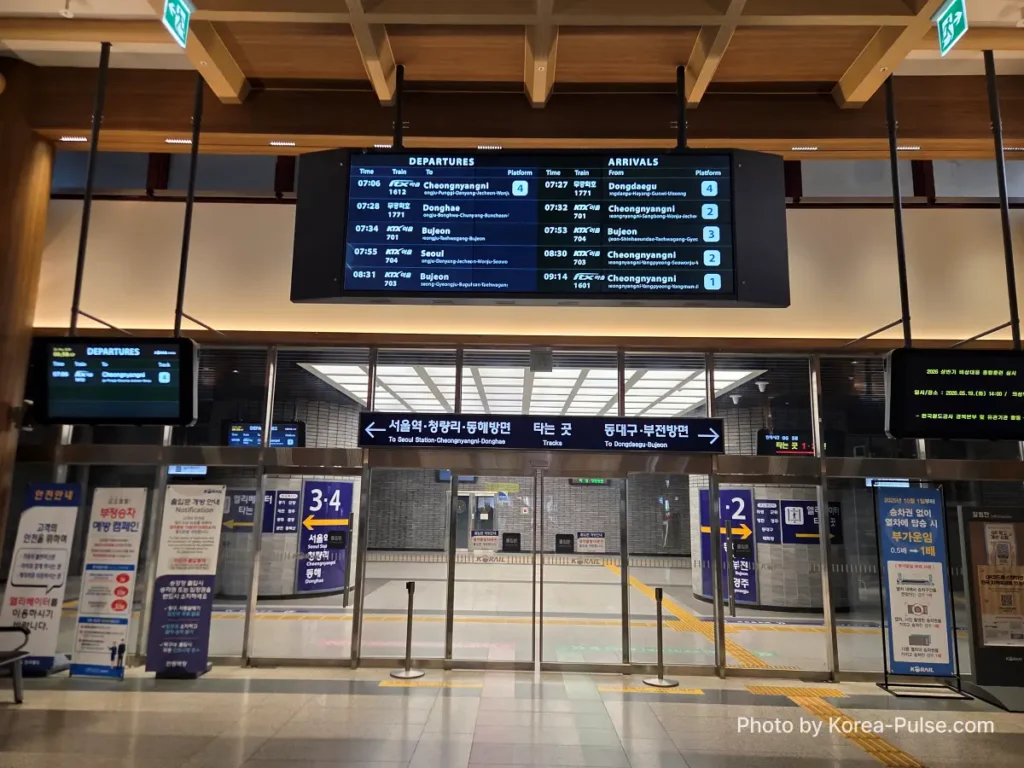
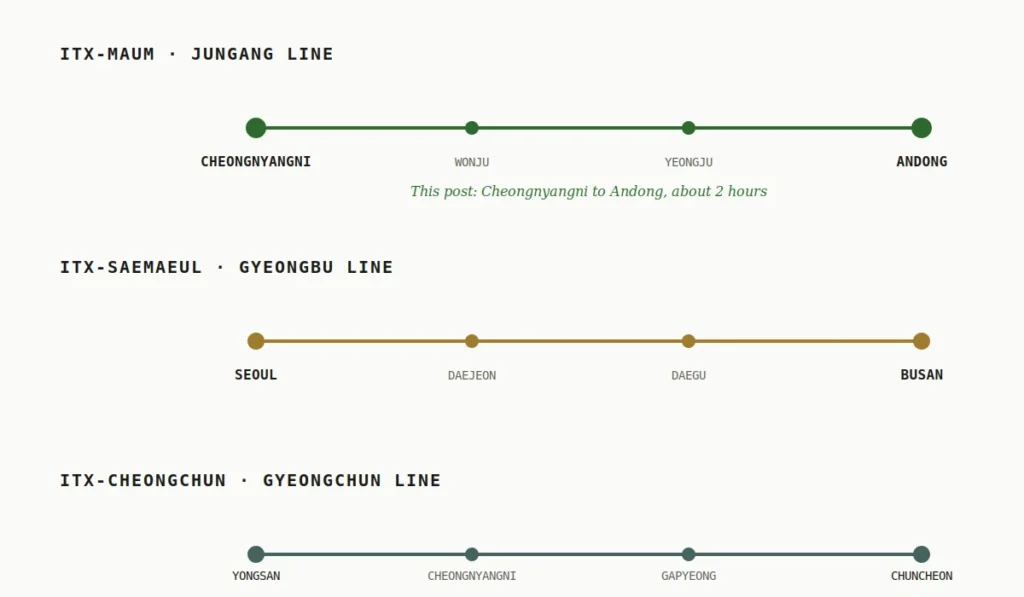
That drive used to mean hours on regional highways. Here’s why it doesn’t anymore: the Jungang Line train route between Andong and Seoul was fully double-track electrified, Cheongnyangni to Bujeon, 433 kilometers of it, on December 20, 2024.
Meeting the ITX-Maum
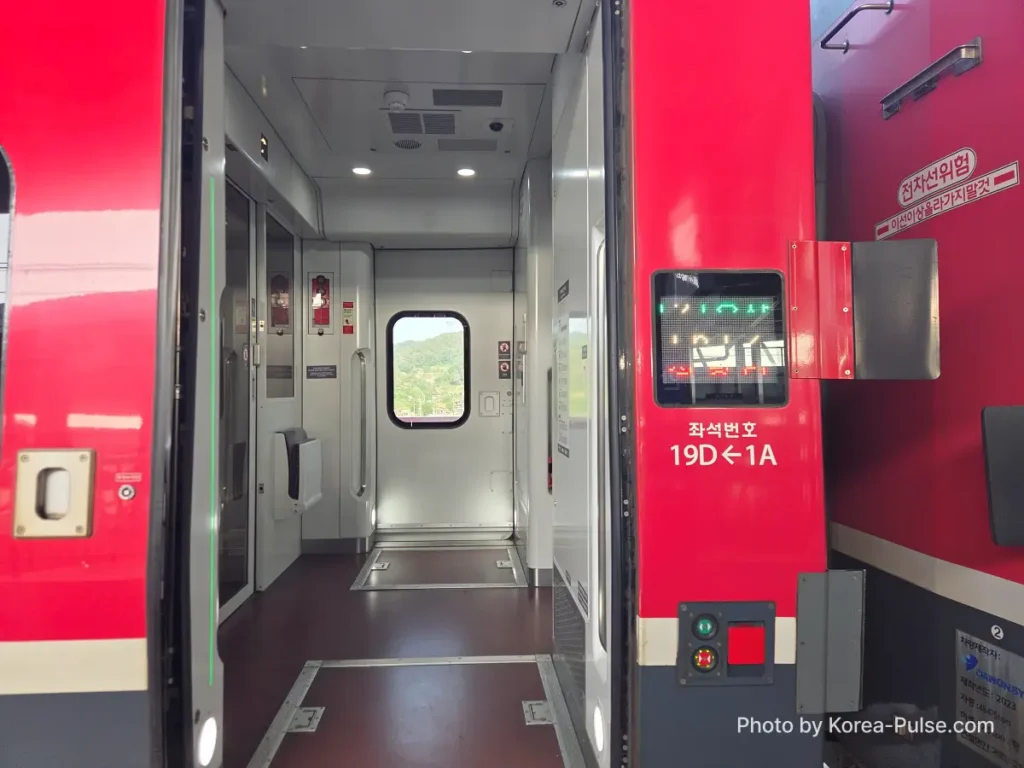
Most visitors only know KTX, Korea’s bullet train. The ITX train Korea network is a separate, three-model system that’s often cheaper and just as comfortable. Standing on the platform just before 7 AM, I wasn’t exactly running at full brain capacity, but the deep red hull of our incoming train did the job of waking me up. Andong Station only has four platforms, so there’s no maze to navigate, even half-asleep.
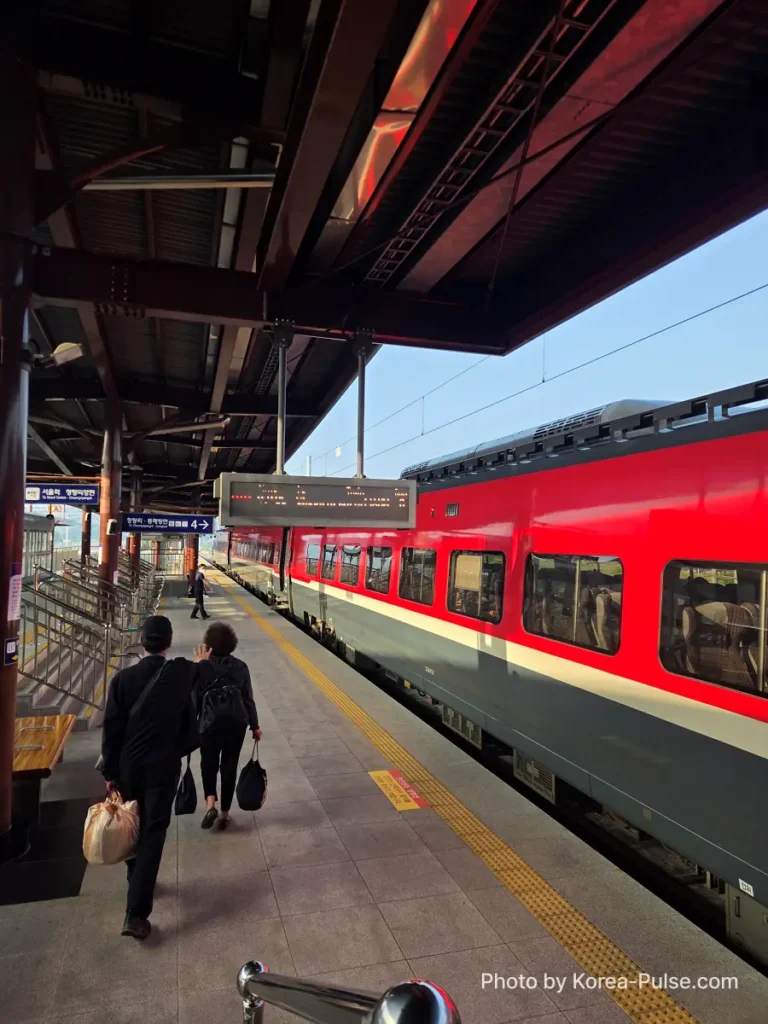
ITX stands for Intercity Train eXpress in Korea, and ITX-Maum is Korail’s newest model in that lineup, introduced in September 2023 to replace the older Mugunghwa-ho fleet. It runs on the same 150 km/h class as ITX-Saemaeul but with newer rolling stock, and it’s the model now running the Jungang Line between Cheongnyangni and Andong.
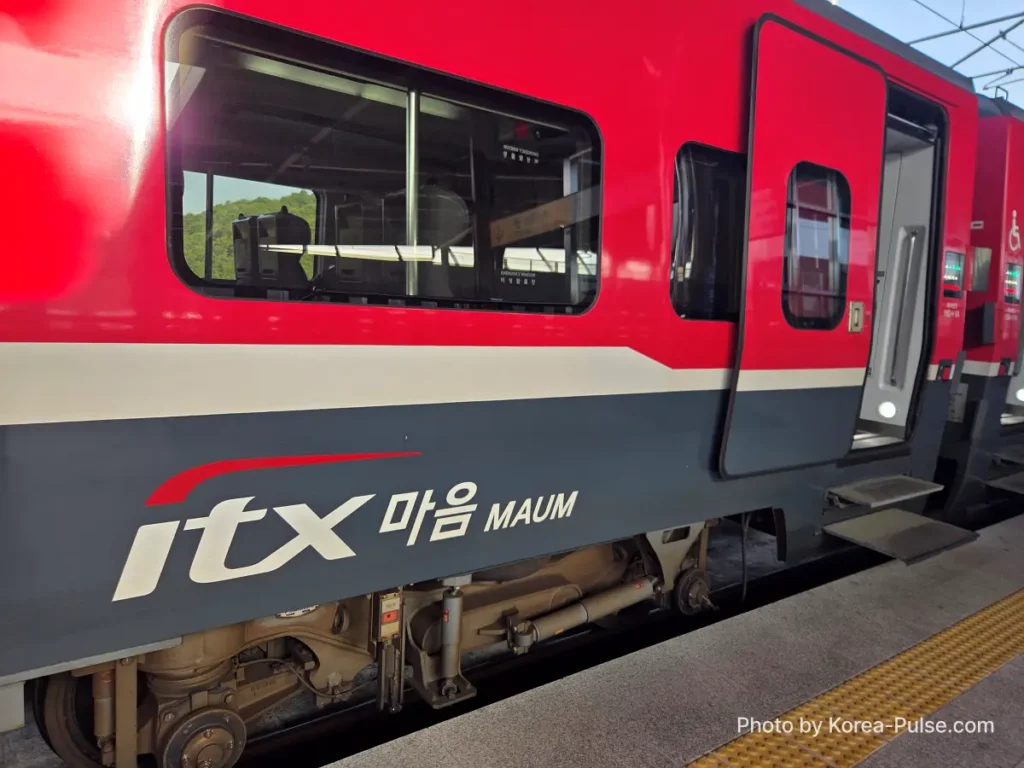
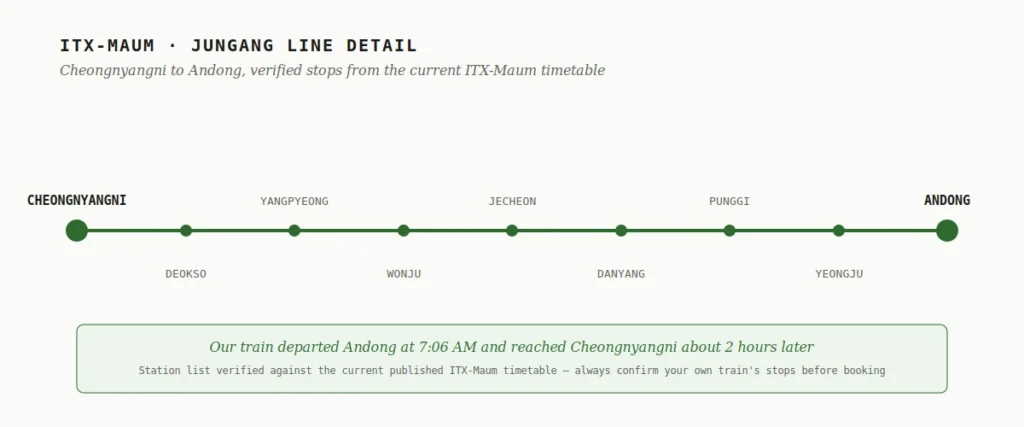
Inside, our car had a power outlet and USB port at every seat, along with in-car wireless internet, which made the ride a genuinely comfortable work-while-you-travel morning. The sliding entryway doors are wide enough that boarding with luggage isn’t a squeeze.
ITX Train Korea: The 3 Types Compared
Korail runs three ITX models: Cheongchun, Saemaeul, and Maum. There’s also Ieum, which runs some of the same corridors including part of the Jungang Line further north — but Ieum is actually classified as KTX, not ITX, despite sharing tracks with these trains. This piece is about the Jungang Line, so the table below focuses on the three ITX types you’re most likely to ride on a regional trip like ours.
| Train Model | Primary Routes | Top Speed | In Service Since |
|---|---|---|---|
| ITX-Cheongchun | Yongsan – Chuncheon | ~180 km/h | 2012 |
| ITX-Saemaeul | Gyeongbu, Honam, Jeolla, Gyeongjeon & Jungang lines | 150 km/h | 2014 |
| ITX-Maum | Gyeongbu, Honam, Jeolla, Jungang, Donghae, Yeongdong, Taebaek & Daegu lines | 150 km/h | 2023 |
Which one should you book? If a double-decker window seat and a scenic day trip to Nami Island or Chuncheon is the goal, it’s Cheongchun. If you’re covering serious distance on the Gyeongbu, Honam, or Jeolla lines and want the newest cabin, look for Maum first and Saemaeul second, since Korail keeps shuffling exact assignments as more Maum units enter service. ITX-Cheongchun is the one most visitors will recognize on sight: it’s Korea’s only double-decker passenger train.
There’s also KTX-Ieum, a separate, faster train Korail classifies under the KTX brand rather than ITX, even though it shares track with ITX-Maum on part of the Jungang Line. It’s quicker and pricier than anything in this comparison, and worth its own separate look if speed matters more to you than character.

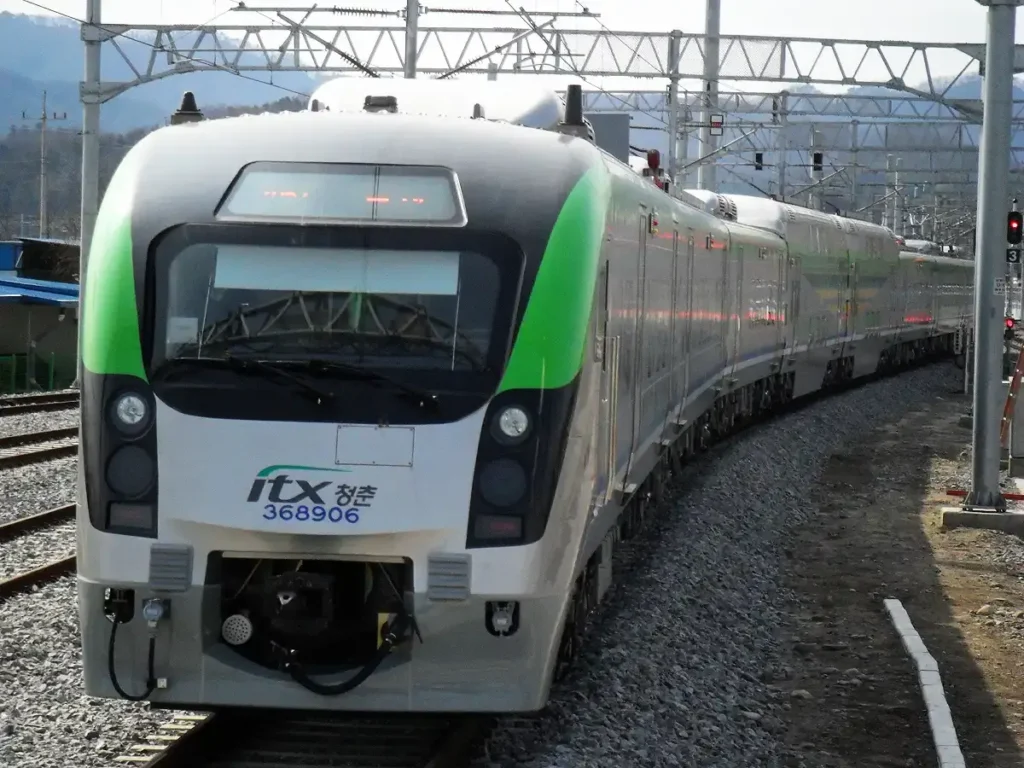
Whichever route you pick, the ITX train Korea network is almost always the calmer, cheaper alternative to a rental car, though you’ll still want KTX if shaving every minute off the journey matters more to you than the fare.
Charging Tips for Digital Nomads
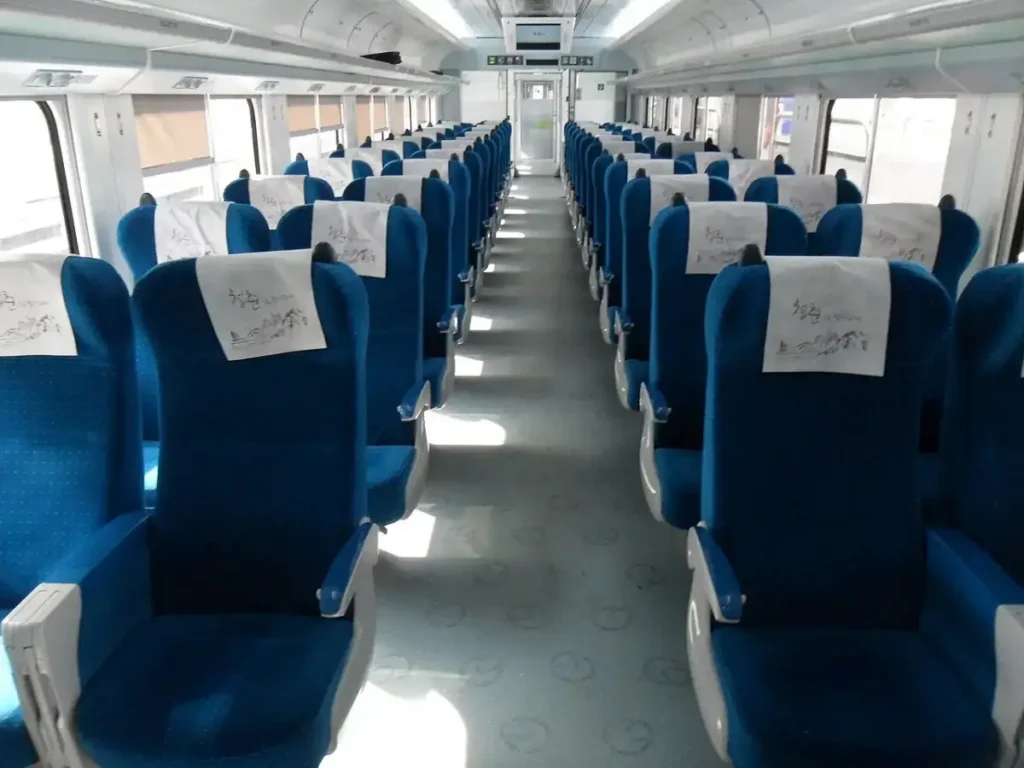
ITX-Maum and KTX-Ieum are generally the best bet for working on the move. On our train, every row had its own power outlet and USB port, so we didn’t need to fight for a specific window seat just to keep a laptop alive.
ITX-Saemaeul is less convenient for charging: outlets tend to cluster near the front and back of each car rather than at every row, so if that matters, aim for a seat in the first few rows or the last two. ITX-Cheongchun’s blue-seated cabin follows a similar pattern, with power concentrated near the bulkheads rather than the upper-deck duplex seats, so charge up before you climb the stairs.
Double-check your terminal station before you book. Our Jungang Line service, like most on this route, ended at Cheongnyangni Station in eastern Seoul, not Seoul Station. A handful of daily services do run further in, so always confirm the exact stop on your ticket. If you’re doing the reverse trip, our Dongdaegu to Andong train guide covers the connecting Mugunghwa route from the other direction.
Cheongnyangni isn’t a quiet side station either — it’s one of Seoul’s busiest transfer hubs, where Subway Line 1 meets the Gyeongui-Jungang, Gyeongchun, and Suin-Bundang lines, so getting anywhere else in the city from there is painless. Once you’re off at Cheongnyangni or landing at Incheon to start your trip, the rest of the network connects easily. Our Incheon Airport arrival guide covers the first leg, and our full Korea transit guide shows how these intercity lines thread into the Seoul metro system.
FAQ: ITX Train Korea
Korail ticket booking normally opens 30 days before departure for every domestic train, ITX included, with a separate special schedule during major holidays. The same rule applies across the entire ITX train Korea network. Planning a Seoul to Andong train trip instead of Andong to Seoul? The same window applies in reverse.
Registration is easy: just an email address and your passport information, no Korean phone number or resident registration number required. Payment is where it can get bumpy — foreign cards sometimes fail on Korail’s payment gateway. If that happens, the Let’s Korail website, a platform like Trip.com or Klook, or the ticket counter at any major station (with your passport) all work as backups.
Both run at roughly 150 km/h and belong to the same intercity class, but ITX-Maum is the newer rolling stock, introduced in September 2023, generally with individual power outlets and USB ports at every seat.
Usually, yes. On the Seoul–Busan route, standard ITX-Saemaeul fare runs well below KTX, in exchange for a couple of extra hours on board. If your schedule is tight, KTX wins; if you’d rather save the difference and enjoy the ride, ITX is the better trade.
Mark your calendar for the 30-day booking window, and download the Korail Talk app before your trip so you’re ready to book the moment tickets open.
A regional ITX platform at 7 AM is a far calmer place to start a two-hour trip than a packed KTX platform in Seoul.
If you’re travelling with kids, luggage, or simply prefer a quieter ride than the KTX rush, ITX-Maum is hard to beat. Book the moment the 30-day window opens if you can, and download the Korail Talk app before you go so you’re not scrambling like we were.