
K-TRAVEL · June 2026
Airport Bus 3300:
Ilsan to Incheon, the Smart Way
A business trip morning, a brand-new carry-on, and the most reliable ₩8,500 you will ever spend.
There is a specific kind of quiet that only exists on airport-bound mornings. The sky is barely grey, the streets are empty, and your mind is already somewhere over the East China Sea. Today is a business trip day — and Airport Bus 3300 is how I get there.
with T-money card
→ Terminal 1
same schedule
A 3-Night Business Trip — and One New Carry-On
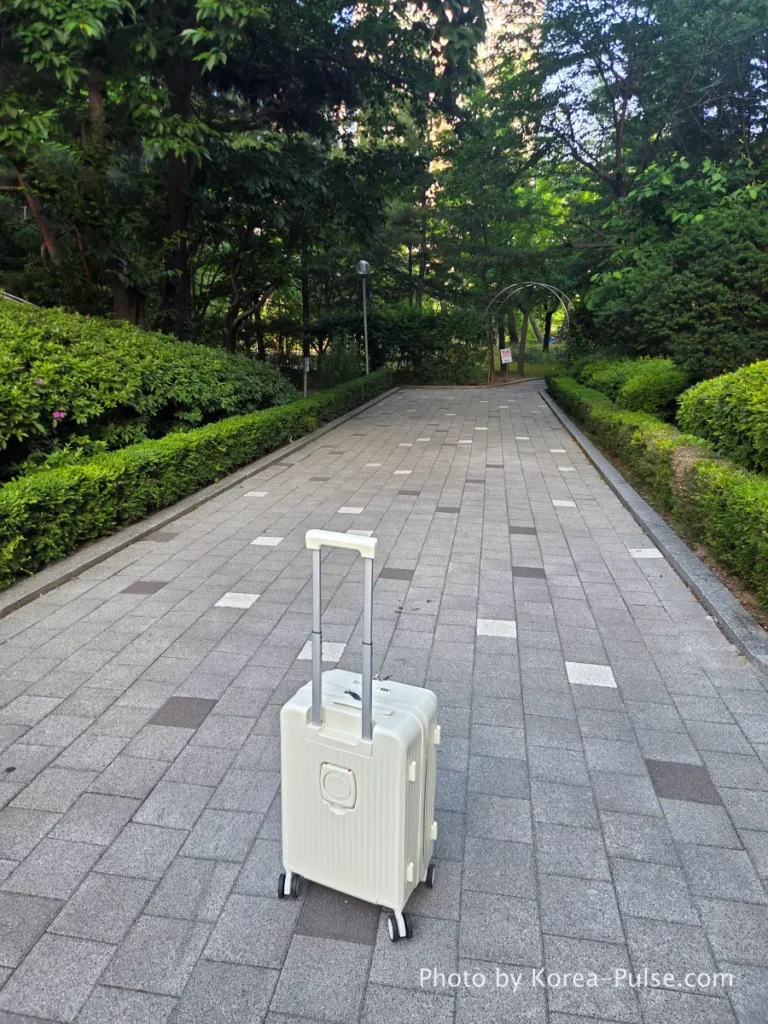
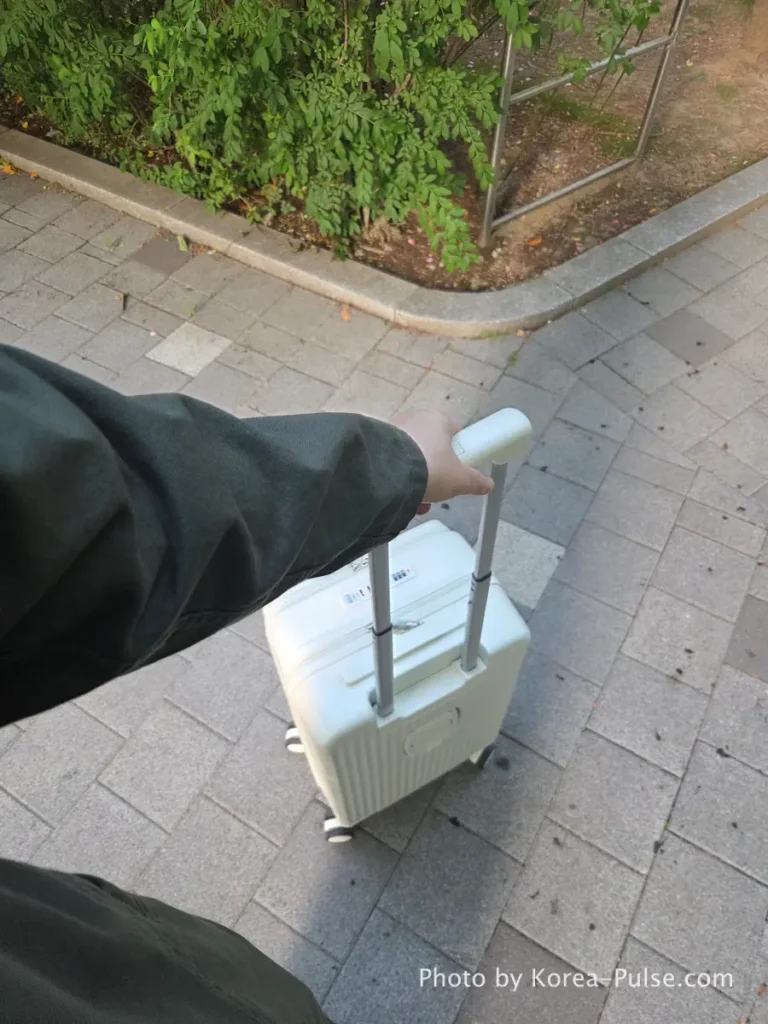
Four days, three nights. It is the kind of tight itinerary where checking in luggage feels like a personal defeat. So before leaving the house, I finally unboxed a new travel companion — compact, ridiculously smooth, and rolls with that silent glide that makes you feel like a seasoned professional navigating a terminal. Watch it below.
The Lifeline of Ilsan: Airport Bus 3300
When heading from the northwest Seoul area to Incheon International Airport, most travelers reach for the airport limousine bus network or the Airport Railroad Express (AREX). Private taxis and call vans are always an option — but given how far Incheon Airport sits from the city, that convenience comes at a cost.
During the COVID-19 pandemic, public airport buses were fully suspended for health security reasons, which meant everyone was funnelled into government-designated quarantine taxis. A one-way ride between Ilsan and Incheon Airport at that time ran ₩50,000–₩70,000. Looking back at that number versus today’s ₩8,500 transit card fare gives you genuine appreciation for the airport bus system being alive and well.
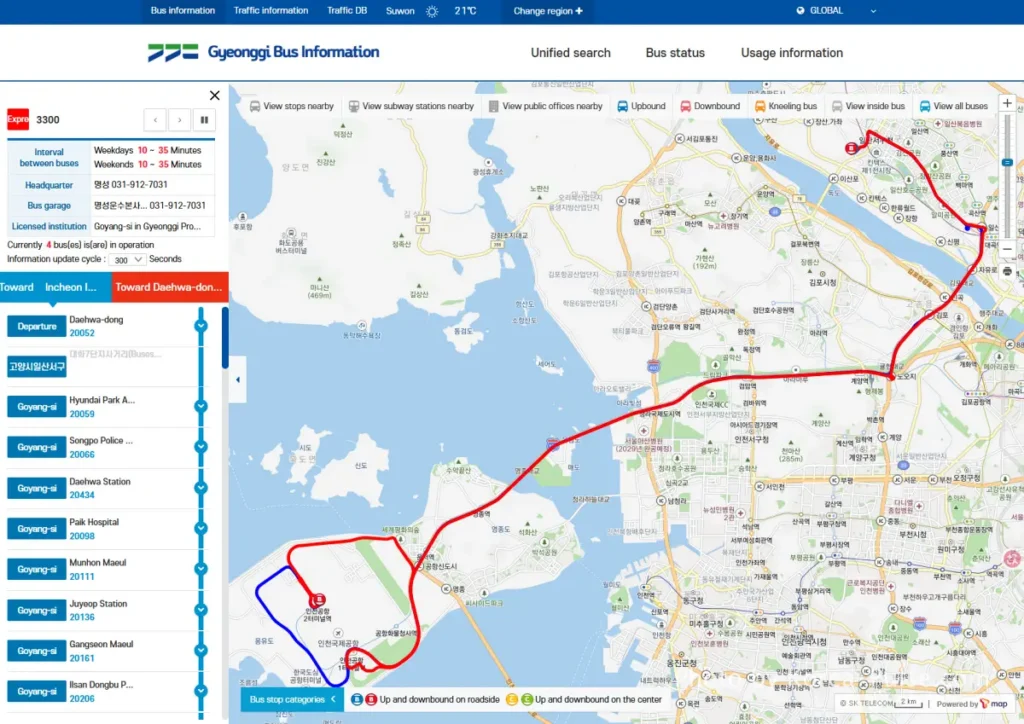
If you are living or staying in the Ilsan area, you only need one number: Airport Bus 3300. This dedicated limousine bus connects Ilsan directly to Incheon International Airport via the central bus rapid transit lanes (BRT), running every 10–35 minutes every single day of the year — including weekends and public holidays.
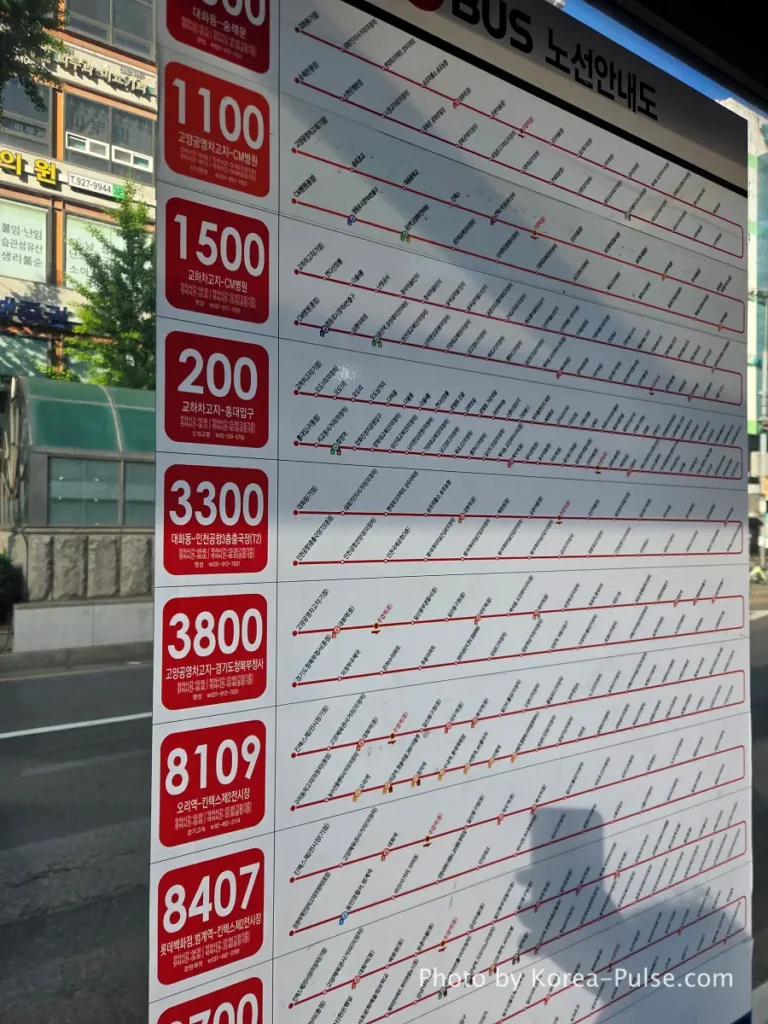
Below is the official route — Daehwa Village terminus in northern Ilsan, threading through Daehwa Station, Juyeop Station, Madu Station, and all the way out to the airport via Gimpo and the coast road. It is a clean, well-established corridor.
Airport Bus 3300 Fares: Cash vs. Transit Card
Riding Airport Bus 3300 is remarkably affordable — but there is a small catch depending on how you pay. Tap a T-money or postpaid transit card and you get a ₩500 discount. Here is the current official fare structure, effective from January 1, 2026.
| Passenger | Cash / Paper Ticket | Transit Card (T-money etc.) |
|---|---|---|
| Adult (19+) | ₩9,000 | ₩8,500 |
| Child (6–12) | ₩4,500 | ₩4,500 |
On this particular trip, I was mentally composing the blog post outline while queuing at the ticket counter — and accidentally bought a ₩9,000 paper ticket instead of just tapping my transit card like a functioning adult. I paid a voluntary ₩500 “writing tax.” Don’t follow my example. Transit card, always.
When returning from Incheon Airport back to Ilsan, Airport Bus 3300 accepts transit card or exact cash only — no change given at the airport stop. If you are arriving from overseas and haven’t topped up your T-money yet, have exact change ready. The arrivals hall has T-money vending machines before you head outside.
At the Stop: Korea’s Real-Time Bus Magic
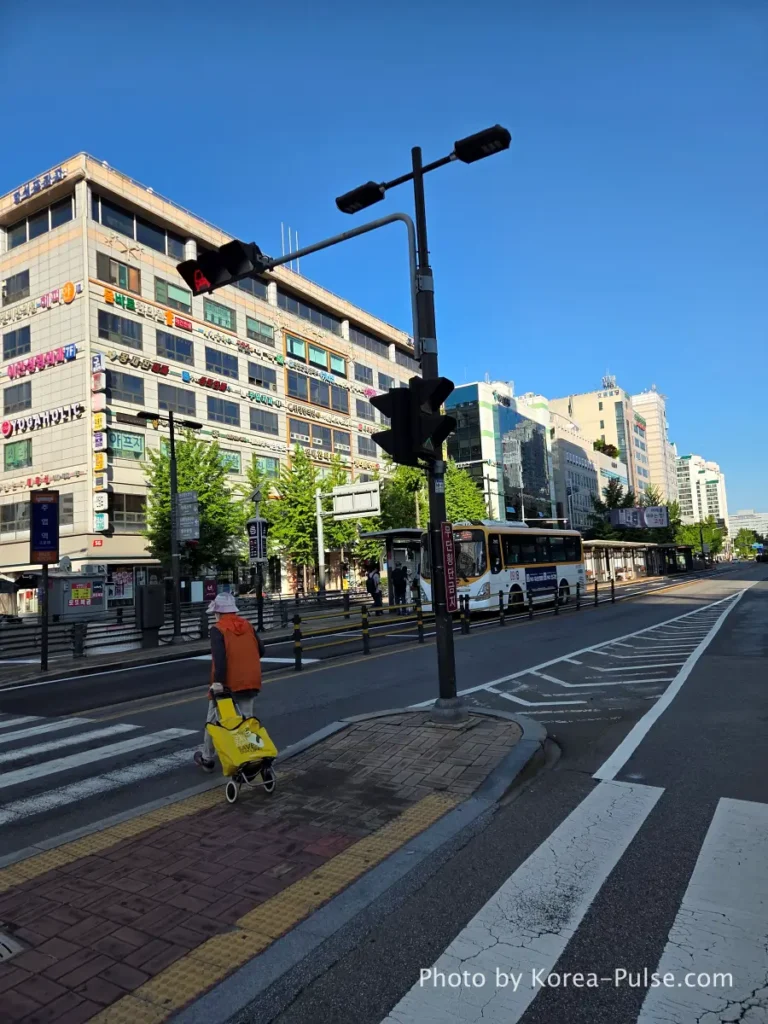
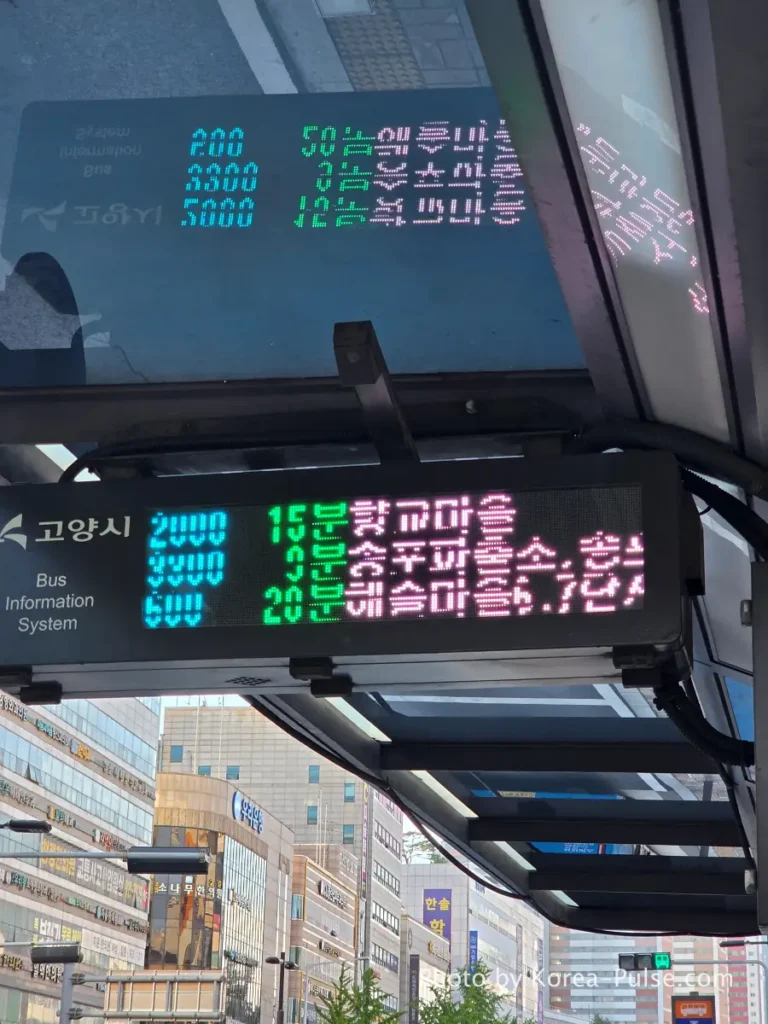
Walking up to the central BRT shelter, you are immediately greeted by something that still impresses me after years of living here: the live Bus Information System (BIS) display mounted on the shelter canopy. You can see the board right there overhead — real-time tracking for every route. Zoom in on the close-up below and Airport Bus 3300 is showing 9 minutes out.
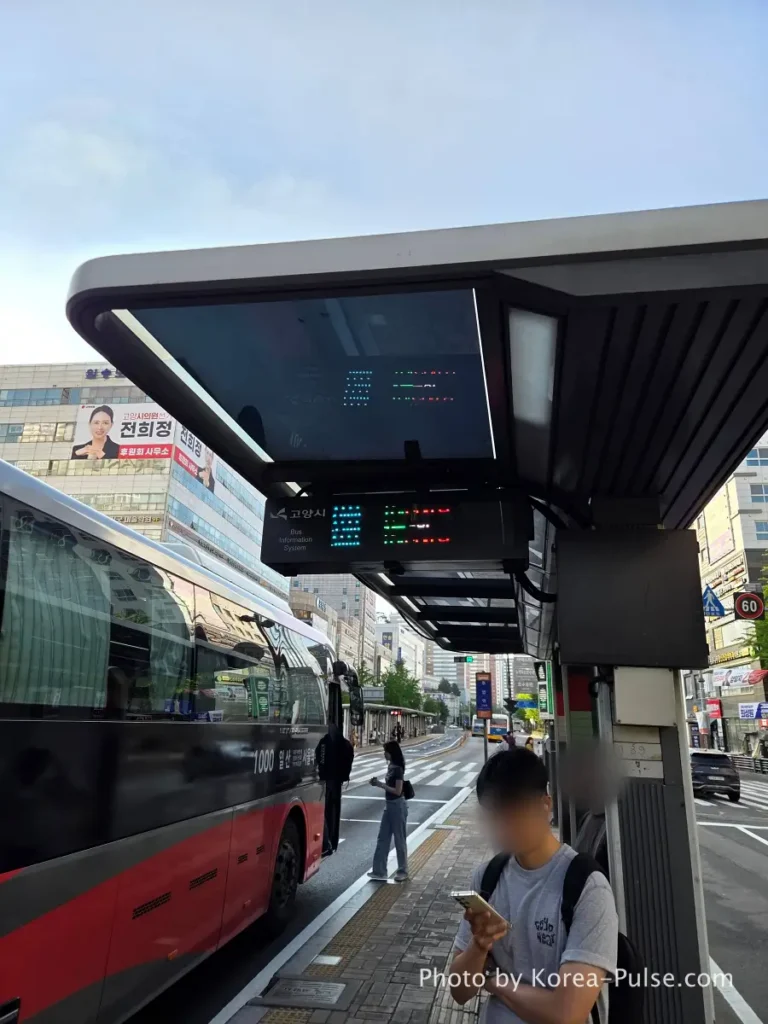
Standing at the stop, I noticed a flight attendant in full uniform a few steps ahead — waiting for the same bus. It is not a coincidence.
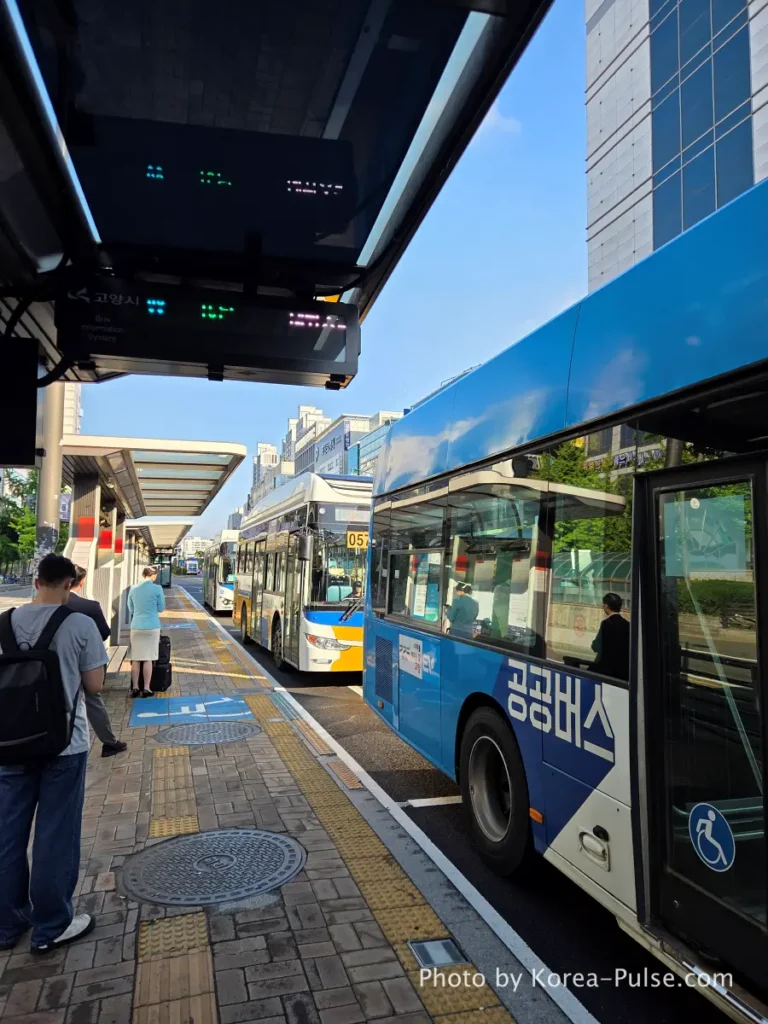
Because Airport Bus 3300 covers the Ilsan-to-airport corridor in under an hour, a significant number of airline crew — pilots and cabin crew alike — choose to live in Ilsan specifically for this commute. When the people who actually operate the airplanes trust this bus to get them to work on time, that is a fairly strong endorsement of its reliability.
On Board Airport Bus 3300: The Timetable & The Wi-Fi
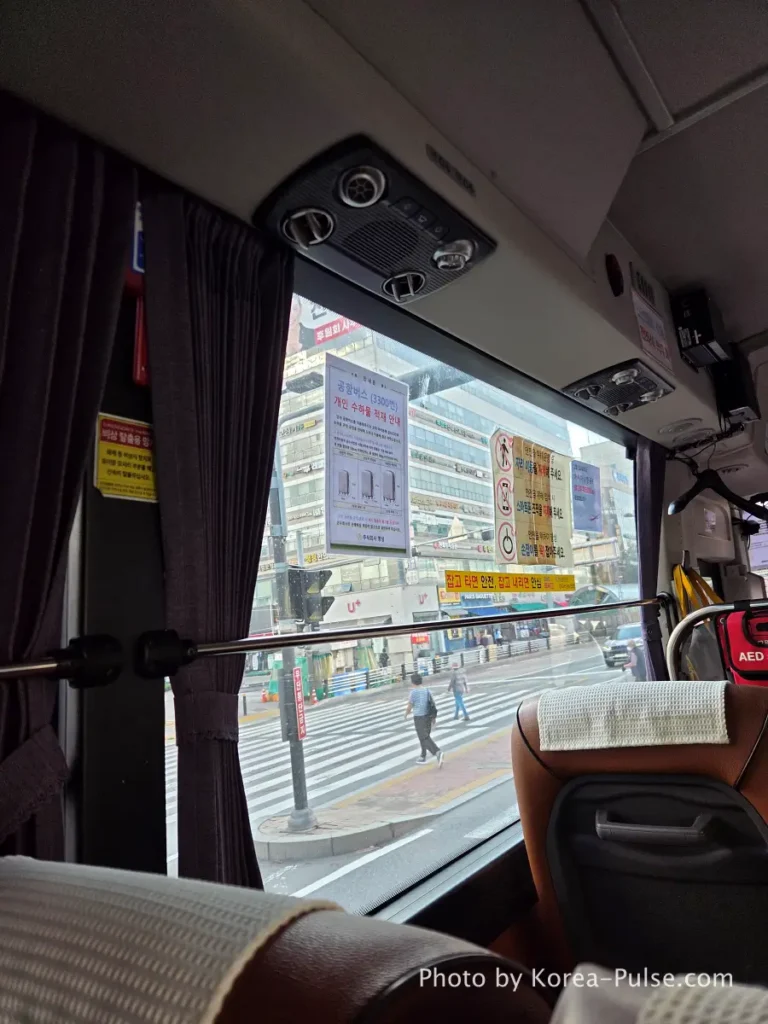
Once inside, the ride itself is exactly what you want before a flight: quiet, air-conditioned, and smooth. The windows are lined with useful notices — luggage policies, safety rules, the standard airport bus housekeeping. Settle in, because you have about an hour.
The full timetable for Airport Bus 3300 is below — effective from January 1, 2026, and operating 365 days a year on the same schedule.
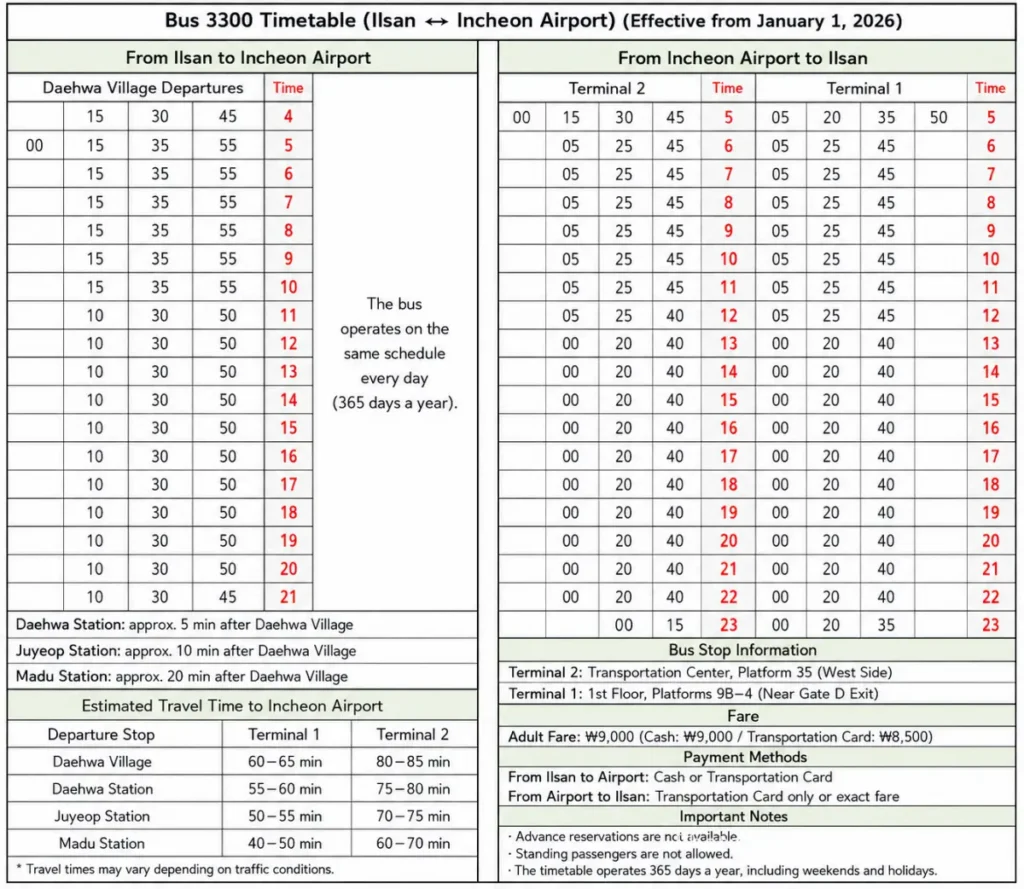
Weekdays & Weekends
One more thing about the onboard experience: the Wi-Fi. I covered this in depth in a separate post, but Airport Bus 3300 carries some genuinely remarkable onboard public Wi-Fi — we’re talking speeds that embarrass most home broadband setups. If you are curious about the hardware behind it, check the link in the related section below.
Critical Warning: Terminal 1 vs. Terminal 2
Before we talk about arrival — a non-negotiable reminder. Incheon International Airport is split into two completely separate buildings: Terminal 1 (T1) and Terminal 2 (T2). The distance between them is 15–20 minutes by vehicle. Getting off at the wrong one with a tight pre-flight window is a very bad time.
Check your boarding pass or airline app before you board Airport Bus 3300. The bus calls at Terminal 1 first, then Terminal 2. If you are on a T2 airline and doze off, you may find yourself waking up at the wrong building with no margin to fix it.
| Terminal | Major Airlines | Bus 3300 Stop |
|---|---|---|
| Terminal 1 (T1) | Asiana Airlines, Jeju Air, T’way Air, Singapore Airlines, Cathay Pacific, Emirates | 1F, Platforms 9B–4 (Near Gate D Exit) |
| Terminal 2 (T2) | Korean Air, Delta, Air France, KLM, Xiamen Air | Transportation Center B1, Platform 35 (West Side) |
For a current, comprehensive list of which airline uses which terminal, the Incheon International Airport official passenger guide keeps this updated in real time. One minute of checking there saves a potentially trip-wrecking detour.
Arriving at T1: Platform 9 — Remember This Spot
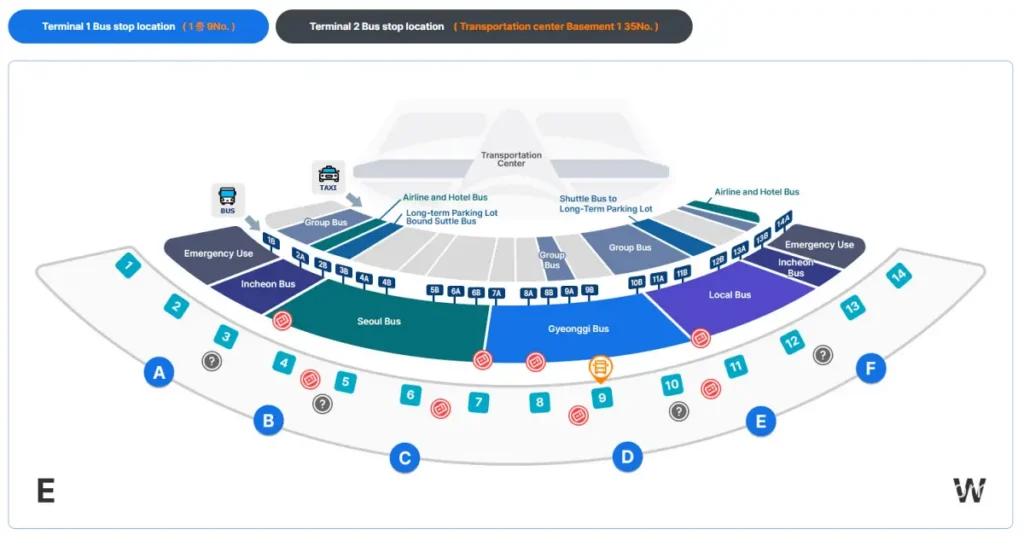
For this trip, my destination was Terminal 1. When Airport Bus 3300 pulls into T1, it drops you right at the departures floor — and crucially, the exact same platform is where you board the return bus back to Ilsan. No hunting around. Platform 9.
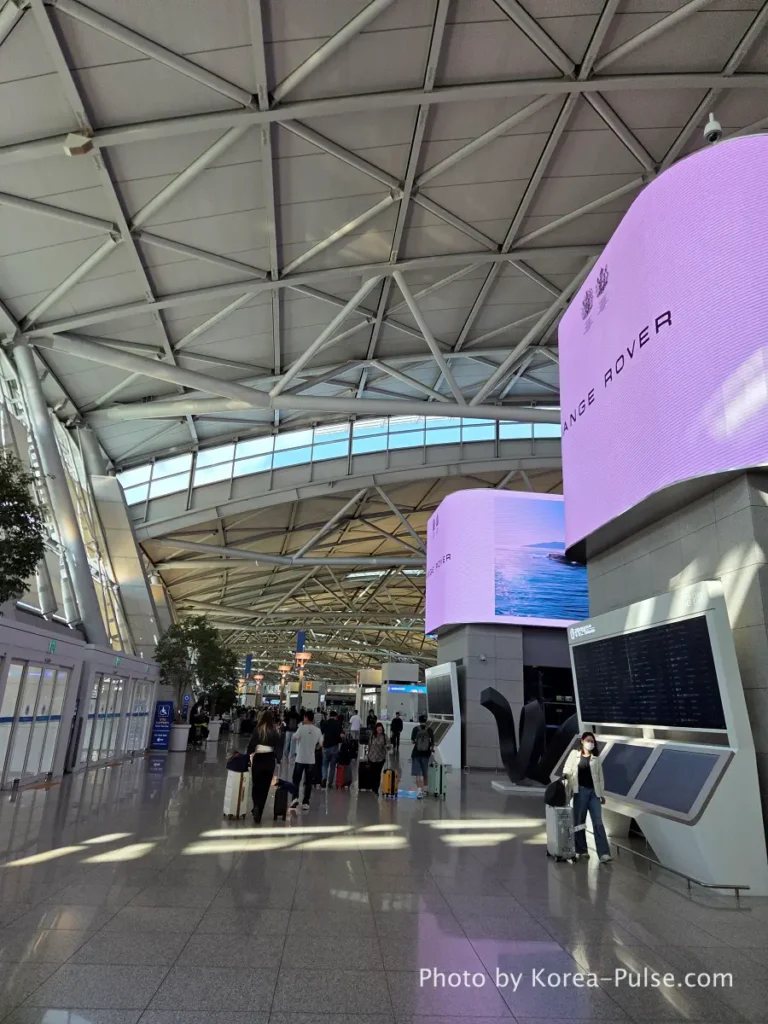
Even for an early Friday morning, the energy inside T1 was already full throttle. Crowds, rolling carts, bilingual departure boards — Incheon does not do quiet.
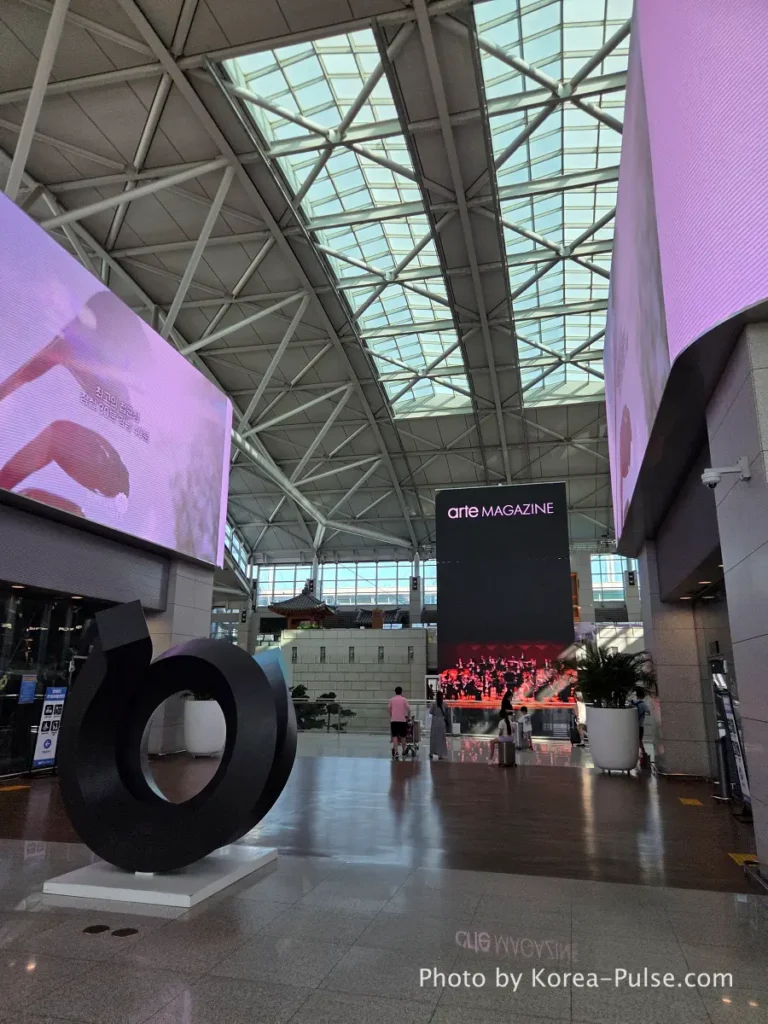
Because I had already done mobile check-in and was travelling carry-on only, I bypassed the check-in counters completely. No queues, no bag drop, no friction. Straight to security. If you are on a short domestic or near-international trip — and the airline allows it — the carry-on-only strategy plus Airport Bus 3300 is about as frictionless as flying gets.
“Airport Bus 3300 is not just the cheapest option out of Ilsan — it is genuinely the smartest one. Predictable schedule, real-time tracking, fast Wi-Fi on board, and a direct corridor to both terminals.”
Mobile boarding pass loaded. Carry-on wheels locked. Security gates ahead. In Part 2, we go airside — Smartpass facial recognition, and what awaits in the Sky Hub Lounge.
And if you want to go deeper on the onboard Wi-Fi that Airport Bus 3300 is quietly famous for — that story is already told.